Trump Admin Eyes Intel Stake: Debate Ignites Over Govt Intervention
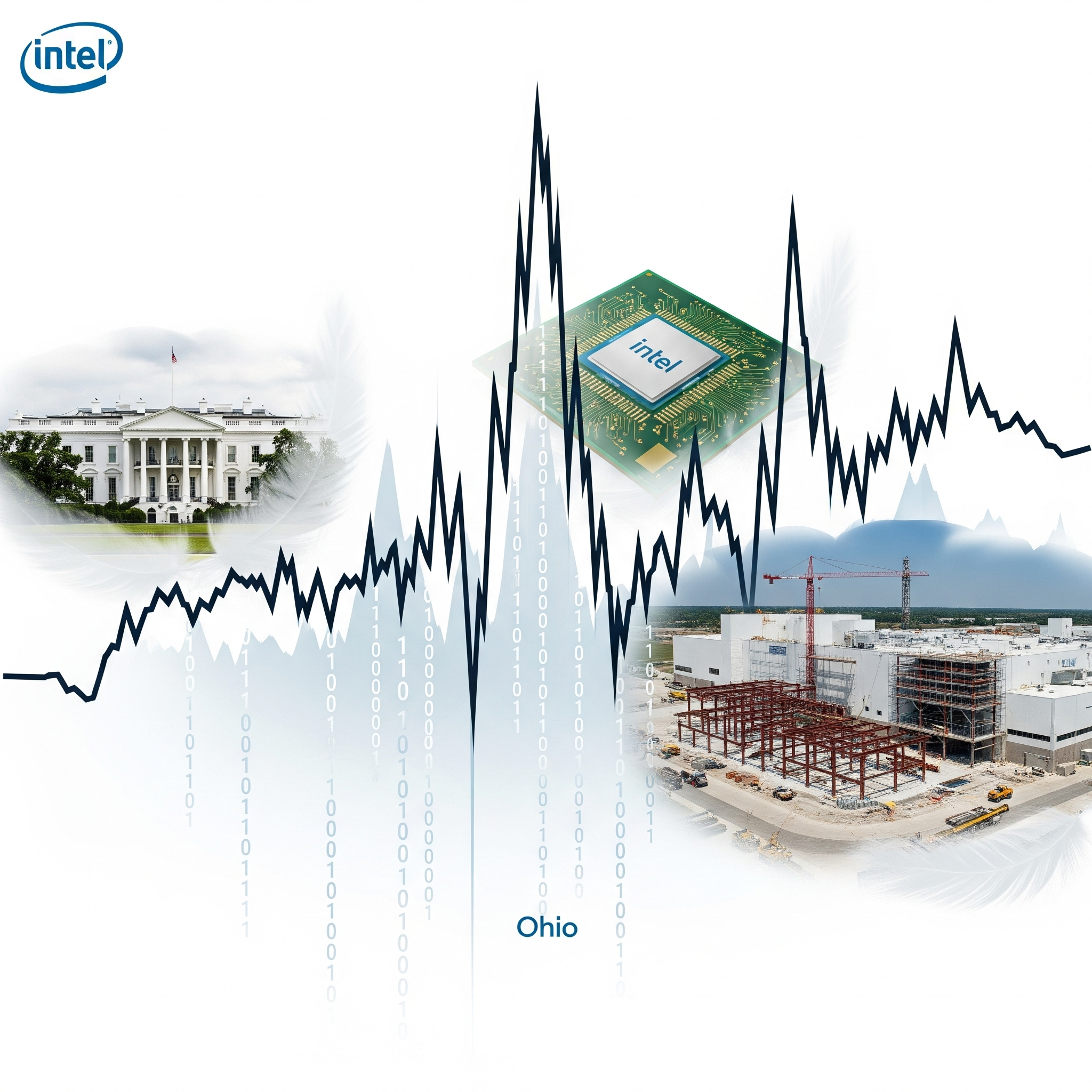
Trump administration's potential Intel investment sparks debate over government intervention in private industry and its implications for national security and the semiconductor sector.
Trump Administration's Potential Stake in Intel Sparks Debate
In a surprising turn of events, the Trump administration has engaged in discussions to potentially acquire a financial stake in Intel Corporation, one of America’s leading semiconductor companies, following a high-profile meeting between President Donald Trump and Intel CEO Lip-Bu Tan on August 11, 2025. This development, reported by Bloomberg and other major outlets, marks a significant shift in tone from Trump’s earlier criticism of Tan and has ignited debates about government intervention in private industry, national security, and Intel’s struggling financial position.
A Swift Change in Tone
Just days before the White House meeting, on August 7, 2025, Trump publicly called for Tan’s immediate resignation, labeling him “highly conflicted” due to alleged ties to Chinese firms. The criticism stemmed from a letter by Senator Tom Cotton (R-Ark.), which raised concerns about Tan’s investments in Chinese companies, some reportedly linked to the Chinese military. Trump’s Truth Social post on the matter triggered a 3% drop in Intel’s stock price, closing at $19.77 that day.
However, the August 11 meeting appeared to mend fences. Trump described the discussion as “very interesting” and praised Tan’s “success and rise” as an “amazing story.” Intel issued a statement calling the meeting “candid and constructive,” emphasizing its commitment to U.S. technology and manufacturing leadership. The abrupt shift culminated in reports on August 14 that the Trump administration is exploring a government stake in Intel to bolster domestic chip production, particularly for the company’s long-delayed Ohio factory project.
Strategic Investment or Overreach?
The proposed government stake, still in early discussions, aims to support Intel’s Ohio semiconductor hub, once touted as the world’s largest but now delayed until the 2030s due to financial and operational challenges. The move aligns with Trump’s “America First” agenda to strengthen U.S. chipmaking amid competition with China and Taiwan Semiconductor Manufacturing Co. (TSMC). Bloomberg reported that the administration may leverage funds from the 2022 CHIPS and Science Act, under which Intel secured $8.5 billion in subsidies last year, to finance the investment.
Intel’s stock surged 7.4% to $23.86 on August 14, with an additional 4% gain in after-hours trading, reflecting market optimism about potential government backing. Analysts like Jim Cramer argued that Intel’s weak balance sheet, strained by a $18.8 billion foundry loss in 2024, makes federal support critical to completing projects like the Ohio fab. However, others, including Tim Seymour of Seymour Asset Management, warned that such “nationalization” is unconventional and could spark investor sell-offs, citing historical precedents.
Broader Context of Government Intervention
The Intel talks are part of a broader pattern of Trump’s direct involvement in private industry. Recent moves include a deal with NVIDIA and Advanced Micro Devices (AMD), requiring them to pay 15% of China sales revenue for export licenses, and a $400 million Pentagon stake in MP Materials, making the Department of Defense its largest shareholder. Additionally, Trump secured a “golden share” in Nippon Steel’s takeover of U.S. Steel, granting influence over operations. These interventions reflect a shift toward industrial policy, raising concerns about the boundaries of presidential authority.
Critics, including some X users, have voiced unease about the long-term implications of federal stakes in major corporations. One post described the move as a “reverse-Robin-Hood reflex,” socializing losses while privatizing gains, while another called it one of Trump’s “worst trial balloons” for corporate governance. These sentiments, while inconclusive, highlight the contentious nature of blending state and industry interests.
Intel’s Challenges and Strategic Importance
Intel, once a chipmaking pioneer, has faced significant hurdles, including a $2.9 billion loss in Q2 2025, workforce reductions, and delays in its Ohio project. Its 18A manufacturing process has encountered yield issues, undermining its competitiveness against TSMC, AMD, and NVIDIA in AI and advanced chip markets. The company’s pivot to a foundry model under former CEO Pat Gelsinger has yet to secure major customers, and Tan’s restructuring efforts, including layoffs and scaled-back international projects, reflect a focus on financial stability.
Despite these challenges, Intel remains critical to U.S. national security, as semiconductors power everything from consumer electronics to defense systems. The administration views Intel as a domestic champion capable of challenging TSMC’s global dominance, particularly given Ohio’s political significance as a state Trump has won in three elections. The 2026 Senate race and Vice President JD Vance’s ties to the state add further weight to the project.
What’s Next?
The talks remain fluid, with no confirmed terms or timeline. Political considerations, including the 2026 midterms, may influence whether an announcement comes sooner or later. Intel’s leadership has reaffirmed its alignment with Trump’s manufacturing goals but declined to comment on “rumors or speculation.” Meanwhile, analysts remain divided: some see federal backing as a lifeline for Intel’s turnaround, while others warn it won’t address underlying competitive gaps in advanced chip production.
The potential stake in Intel underscores the high stakes at the intersection of technology, politics, and national security. As Trump navigates this delicate balance, the outcome could reshape Intel’s future and set a precedent for government involvement in America’s tech sector. For now, the market’s enthusiasm and critics’ skepticism reflect the uncertainty surrounding this bold proposal.
- Primary Technology Research & Architecture Dispatch TrendingTech Intelligence
Want real-time AI & tech intelligence dispatches?
Join the official TrendingTech Daily Telegram channel for breaking research, model launches, and market analysis.