Artificial Intelligence June 16, 2025

Israel-Iran War: Shockwaves Hitting the Global Economy

SHARE:
Israel-Iran War: Shockwaves Hitting the Global Economy

The Israel-Iran war is causing oil price surges, stock market declines, and trade disruptions, threatening global economic stability and potentially triggering a recession.

The Impact of the Israel-Iran War on the Global Economy

The escalating conflict between Israel and Iran, marked by significant military actions in June 2025, has sent ripples through the global economy, raising concerns about energy markets, inflation, and geopolitical stability. Following Israel’s airstrikes on Iranian nuclear and military sites on June 13, 2025, and Iran’s retaliatory missile launches, the world is grappling with the potential for a broader regional war. This article examines the immediate and projected economic effects, drawing on the interconnected nature of Middle Eastern oil supplies, global trade routes, and financial markets.

Immediate Market Reactions

The conflict triggered an immediate surge in oil prices, with Brent crude futures jumping as much as 14% during Asian trading on June 14, 2025, before stabilizing around $76.37 per barrel. This volatility reflects fears of disrupted oil supplies, given the Middle East’s role as a key producer, accounting for nearly a third of global output. The Israeli strikes, targeting Iran’s oil and gas sector, including a fuel depot blaze in Tehran, heightened concerns about potential damage to Iran’s energy infrastructure. While no major oil export facilities have been directly hit yet, the market’s reaction underscores the sensitivity to geopolitical risks in the region.

Stock markets worldwide have felt the shockwaves. European shares opened sharply lower on June 13, and U.S. stock futures dipped, with the S&P 500 declining over 1% on June 14 as Iran’s missile attacks intensified. Asian markets also saw a selloff, driven by rising crude prices and a flight to safe-haven assets like gold. These movements highlight the fragile state of global risk sentiment, already strained by trade tensions and inflation concerns.

Energy Market Vulnerabilities

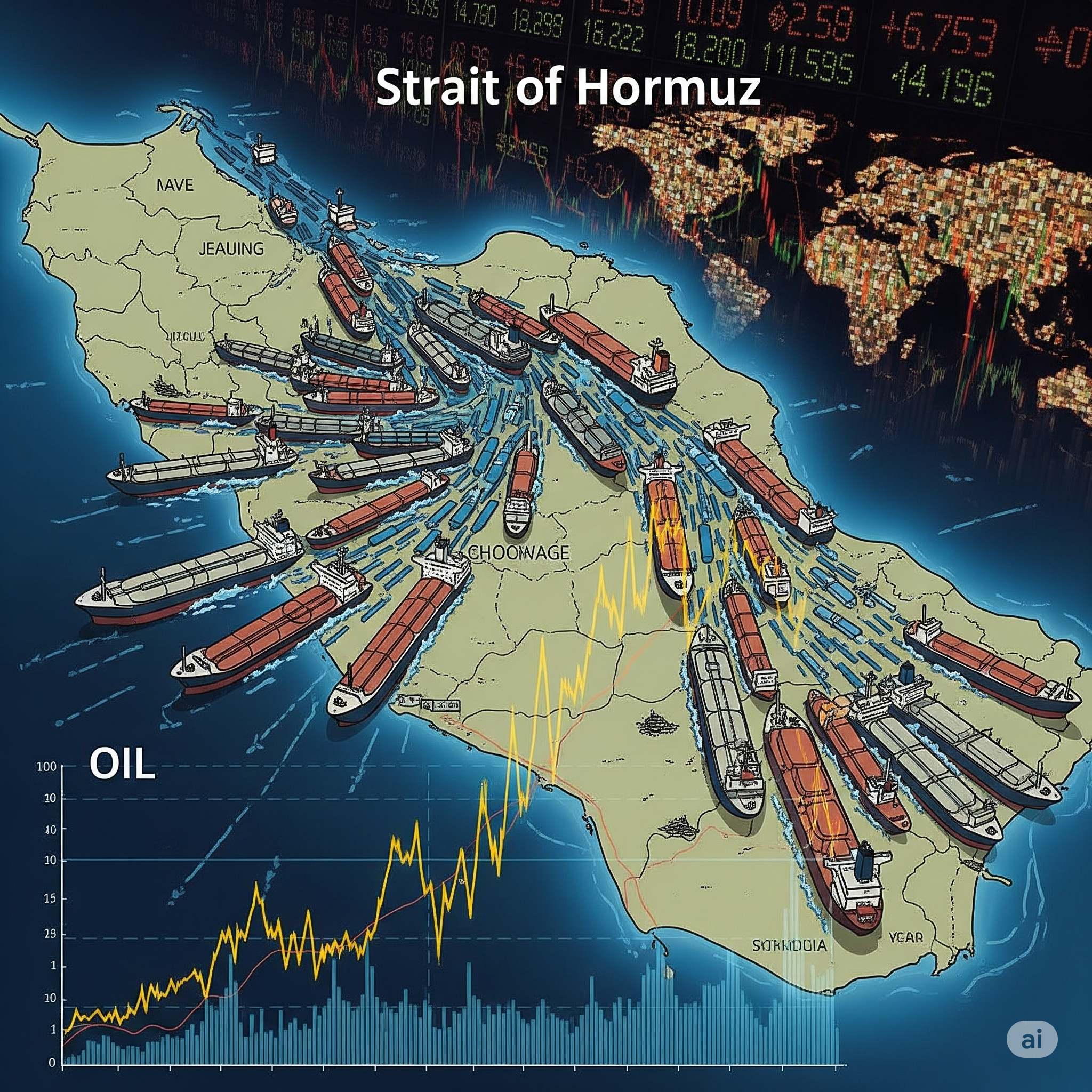
Iran’s oil infrastructure and its strategic position near the Strait of Hormuz, a chokepoint for 30% of global oil trade, pose significant risks. Analysts suggest that any closure or disruption of this waterway could push Brent crude prices to $120–$130 per barrel if Iran retaliates by targeting oil facilities or shipping lanes. While the U.S. has emerged as a major oil supplier, reducing some historical dependency on Middle Eastern oil, China’s economy—reliant on Iranian oil at discounted rates—could face an outsized impact. Despite this, experts note that the global economy might avoid a spiral into crisis due to diversified energy sources, though Western consumers could still face higher pump prices.

The conflict’s effect on energy prices complicates central banks’ efforts to manage inflation. A 10% oil price increase could raise global inflation by 0.4 percentage points, according to estimates, adding pressure on economies already navigating high interest rates. The International Monetary Fund has warned of a potential 0.5% drop in global growth for 2025 due to trade disruptions and reduced oil production, a scenario exacerbated by Iran’s economic fragility and its potential to cut exports further.

Broader Economic Repercussions

Beyond energy, the war threatens global trade and financial stability. The Red Sea, disrupted by Iran-backed Houthi attacks, handles significant shipping volumes, and an escalation could worsen supply chain bottlenecks. Countries like Egypt and Jordan, heavily dependent on tourism and gas imports, face additional economic strain, with tourism revenues potentially dropping 10–30% in Egypt alone. The Middle East-North Africa region’s growth forecast has been revised downward by 0.5%, reflecting these cascading effects.

Financial markets are also bracing for volatility. A stronger U.S. dollar, driven by higher interest rates and safe-haven demand, could increase borrowing costs for developing nations with dollar-denominated debt. The risk of stagflation—stagnant growth combined with persistent inflation—looms if the conflict persists, particularly if the U.S. becomes more directly involved, a decision that could split Trump’s administration given his past reluctance to engage in Middle East wars.

Regional and Domestic Economic Strains

Israel’s economy, though resilient with a GDP exceeding $500 billion in 2022, faces mounting costs. The Bank of Israel estimates war-related expenses at $55.6 billion for 2023–2025, funded through higher borrowing and budget cuts, leading to a projected 6.6% deficit. Military mobilization and reduced tourism have already slowed growth from 4.5% to 2.5% annually in 2024. Iran, meanwhile, contends with high inflation, a collapsing rial, and sanctions that limit its financial flexibility, making a prolonged conflict economically unsustainable and potentially sparking domestic unrest.

The broader Middle East, including Gulf states like Saudi Arabia, seeks to avoid entanglement, prioritizing stability for their economic visions. However, their mediation roles are at risk, and any disruption to OPEC+ production could amplify price shocks, though Saudi Arabia might increase output to mitigate some effects.

Long-Term Outlook and Uncertainties

The war’s duration and escalation level remain uncertain. If confined to military exchanges, the economic impact might stabilize, with oil prices reflecting a modest geopolitical risk premium. However, a broader conflict involving Iran’s nuclear ambitions or U.S. intervention could lead to sustained supply disruptions, pushing oil to $150 per barrel as warned by the World Bank in 2023. This scenario could plunge millions into food insecurity and trigger a global recession, echoing the 1973 OPEC embargo.

Iran’s potential sprint to nuclear breakout, spurred by the strikes, adds another layer of complexity. If successful, it could deter further Israeli attacks but invite harsher sanctions or military action, further isolating its economy. The Trump administration’s stance—distancing itself from Israel’s actions while maintaining defensive support—suggests a cautious approach, but any shift could reshape global alliances and economic policies.

Conclusion

The Israel-Iran war, now in its early stages as of June 16, 2025, is already exerting a tangible toll on the global economy through oil price surges, stock market declines, and trade disruptions. While the immediate impact is significant, the long-term outcome hinges on escalation and international response. With energy markets on edge, inflation risks mounting, and regional economies under strain, the world faces a delicate balancing act to prevent a deeper economic downturn. As the conflict unfolds, its economic legacy will depend on whether diplomacy can prevail over military momentum.

Sources & Primary References

Want real-time AI & tech intelligence dispatches?

Join the official TrendingTech Daily Telegram channel for breaking research, model launches, and market analysis.

Join Telegram Channel
Partner Intelligence

Automate Your Data & AI Infrastructure

Deploy autonomous agent pipelines and custom data integrations with Automation by Meir.

Discover AI Solutions →
Lex Fridman Podcast #419 — Sam Altman: OpenAI, GPT-5 & AGI
Lex Fridman & Sam Altman · 2 hr 18 min